

Timor-Leste gained independence on May 20, 2002, becoming a sovereign state free from colonial rule. The people of Timor-Leste endured a long struggle, first against Portuguese colonialism, which lasted for approximately 450 years (1519–1975). The struggle then continued against the invasion of the Republic of Indonesia in 1975. Timor-Leste ultimately achieved full independence following the referendum held on August 30, 1999. The people of Timor-Leste experienced years of hardship and uncertainty. In 2002, however, they finally attained freedom, independence, and full sovereignty.
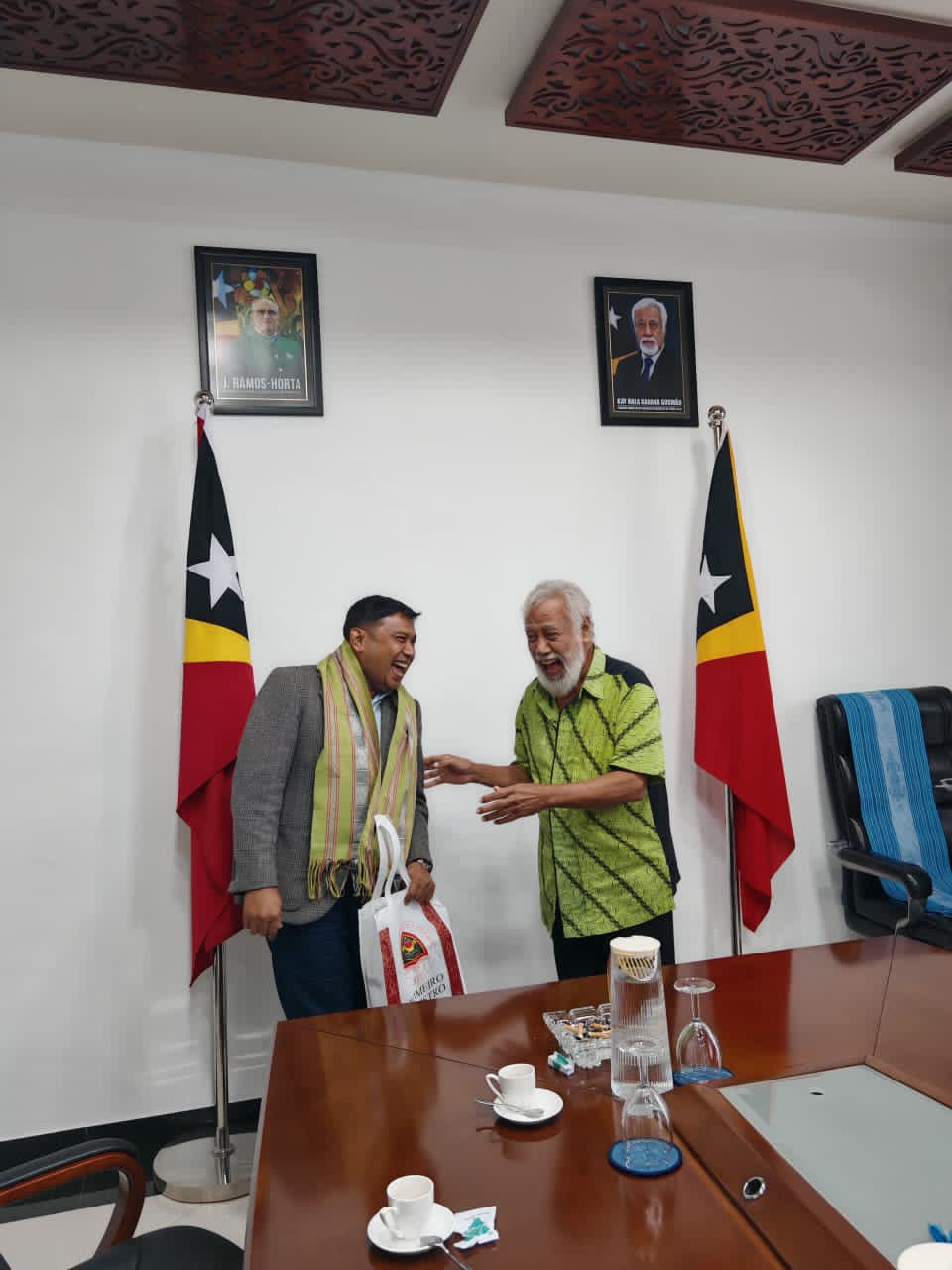
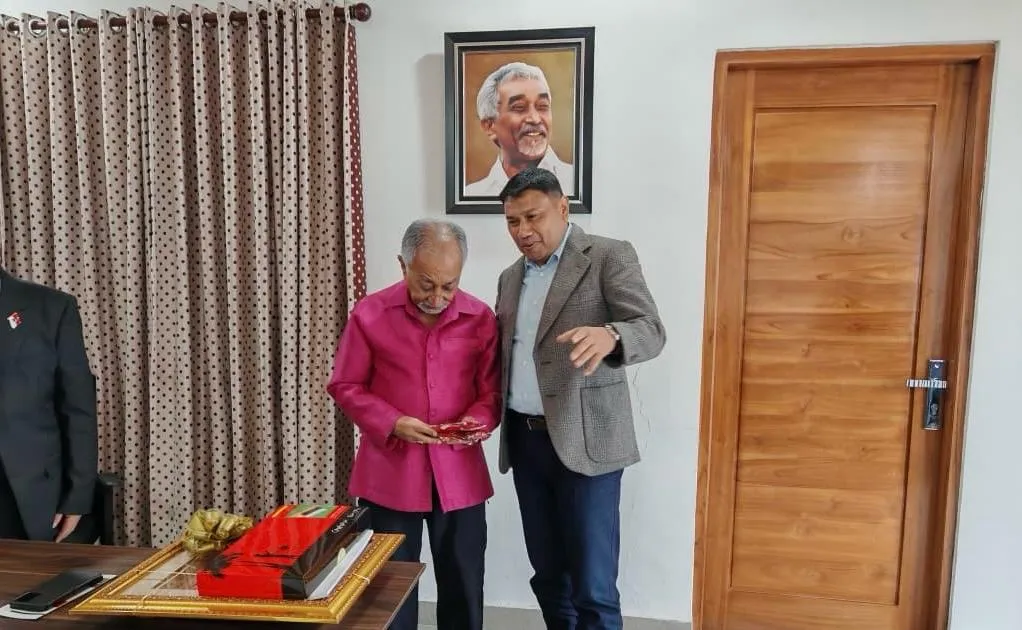
I, Juanda Djamal, have had the opportunity to visit Timor-Leste in 2024, 2025, and most recently in April 2026. My objective was to observe firsthand, assess, and learn about the feelings and attitudes of the Timorese people after living in independence for the past 25 years.
Aceh and Timor-Leste share a similar history of armed conflict. Both regions pursued the right to self-determination, seeking dignity, identity, sovereignty, and the ability to govern themselves independently and fairly.
However, the outcomes were different. Timor-Leste achieved full independence and established a new state. Aceh’s struggle concluded with the political agreement reached in Helsinki on August 15, 2005, resulting in a special autonomy arrangement and a system of governance based on Law No. 11 of 2006 on the Governance of Aceh.
Governance and State Administration
Following independence, Timor-Leste experienced two episodes of internal conflict. The first occurred in 2006, when approximately 600 soldiers from the western region of the country claimed they were being discriminated against within the Timor-Leste Defence Force (F-FDTL), leading to the resignation of Prime Minister Mari Alkatiri.
The second crisis took place in 2008, when Major Alfredo Reinado, who had fled during the 2006 unrest, launched an armed attack targeting the residences of President José Ramos-Horta and Prime Minister Xanana Gusmão. Reinado was killed during the operation, effectively bringing the internal crisis to an end.
As an independent nation, Timor-Leste operates under a democratic semi-presidential republic system. The President serves as Head of State, holding symbolic authority as a unifying figure, safeguarding the constitution, exercising veto powers over legislation, and serving as commander-in-chief of the armed forces (Article 74, Paragraph 1). The President is directly elected by the people and may serve a maximum of two terms.
The Prime Minister serves as Head of Government, leading the cabinet and overseeing the day-to-day administration of the state. The position is filled by the leader of the party that secures an outright majority or by the leader of a majority coalition.
The National Parliament functions as a unicameral legislative body. Members are elected through a party-list system, with a total of 65 seats allocated to political parties that obtain at least 3 percent of the valid vote. In the 2023 election, 17 political parties contested the election, although only five emerged as the strongest forces: CNRT with 42 percent of the vote, Fretilin with 26 percent, followed by the Democratic Party, Khunto, and PLP.
Administratively, Timor-Leste is divided into 14 municipalities, including the Special Administrative Region of Oecusse-Ambeno, 67 sub-districts, and approximately 298 sucos or villages.
The Face of Freedom in Timor-Leste
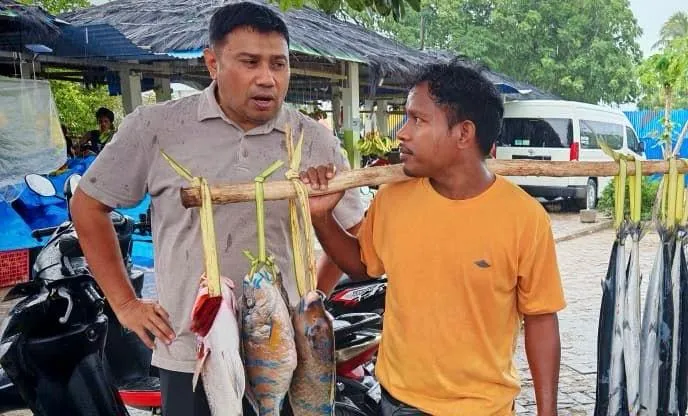
During one occasion, while enjoying fresh coconut water in a corner of Dili, I spoke with a fisherman returning from the sea.
“How does it feel to enjoy independence?” I asked.
The man, who introduced himself as Antonio, replied: “We are free from fear now. We may still be poor, but we are happy. The Timor-Leste government cares deeply about its people. Education and healthcare are free.”
Antonio said he had once studied in Surabaya but did not complete his education because he returned home to participate in the August 30, 1999 referendum.
In the early years of independence, Timor-Leste faced significant internal contradictions. However, because there was a strong shared understanding of the larger national agenda, these tensions were ultimately resolved.
The first administration under President Xanana Gusmão and Prime Minister Mari Alkatiri succeeded in establishing a clear state-building framework. Their vision was closely linked to the political ideas they had developed over many years while conducting guerrilla resistance and diplomatic efforts abroad. For Mari Alkatiri in particular, the primary objective was to build a nation that was independent, sovereign, and just for all Timorese citizens.
One important priority was the creation of institutions capable of safeguarding the country’s financial and monetary stability. As a newly independent state, Timor-Leste understood that policy mistakes could carry a high risk of economic failure. One of the fundamental measures adopted was the preservation of revenue generated from oil and gas resources in the Timor Sea, which were being operated by Australian companies.
A key policy introduced by Mari Alkatiri was the establishment of the Petroleum Fund (PF). Today, the institution serves as Timor-Leste’s sovereign wealth fund, financed through oil and gas revenues. The fund is designed to capture surplus income from the petroleum sector and ensure the country’s long-term fiscal sustainability. By early 2025, the fund had accumulated approximately US$25.25 billion in revenue and generated investment profits of around US$10.48 billion.
Another major policy initiative was the provision of social protection for all Timorese citizens, regardless of social status, ethnicity, religion, or economic condition. Several social welfare programs were introduced with the aim of reducing poverty and fulfilling the basic rights of citizens. These include free healthcare, free education, support for elderly citizens, and the “Bolsa da Mãe Jerasaun Foun” program, which is intended to improve family welfare.
As a result, following independence, citizens have been able to live without fear. Although poverty remains widespread, one young leader, Jonathan, expressed optimism about the future.
“Turning poverty into prosperity is only a matter of time,” he said. “We have sufficient reserves that have been saved and invested. We are also preparing our younger generation to develop the skills, expertise, and global networks they will need.”
He added: “We hope our independence has placed us on the right path to freedom from fear. The next step is to continue our struggle for justice.”
Author: Juanda Djamal