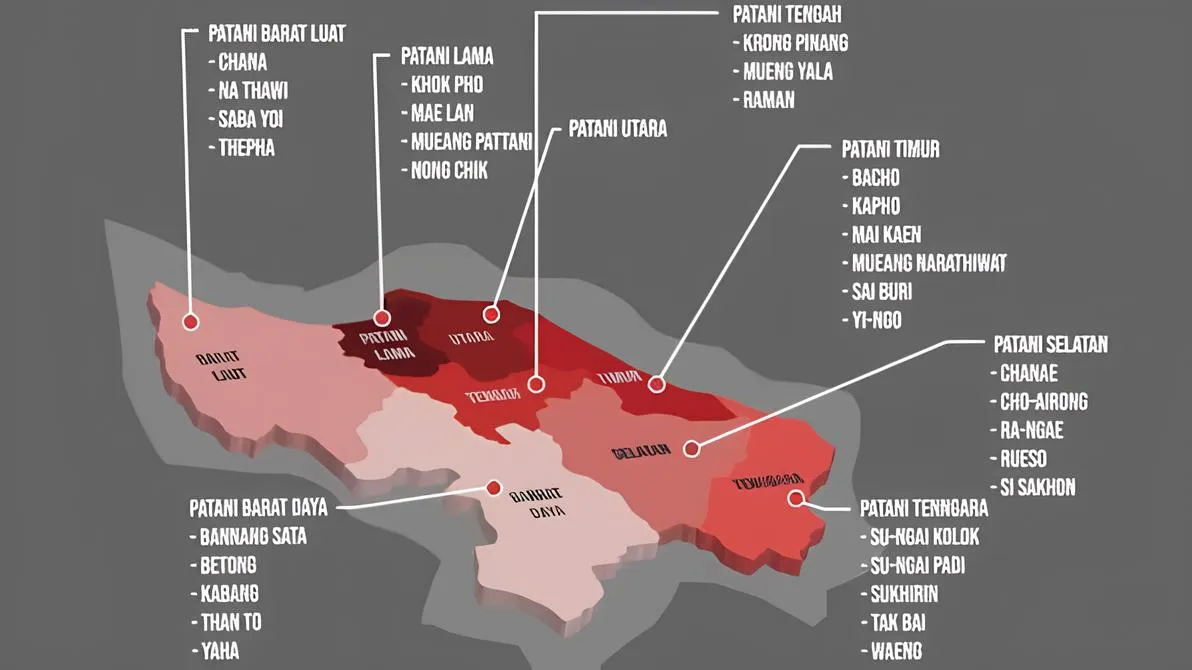


Patani, July 11, 2026 – The Thai government has once again extended the application of the 2005 Emergency Administrative Law in the southern border region. The decision was made during a meeting of the Emergency Situation Administration Committee on July 1, 2026, which approved a three-month extension, effective from July 20 to October 19, 2026, covering 18 districts in the southern border provinces. The proposal was subsequently submitted to the cabinet for approval.
This extension marks the 84th consecutive one since the law was first enacted in the region in 2005. Consequently, Thailand’s southern region has been under a special legal regime for more than two decades.
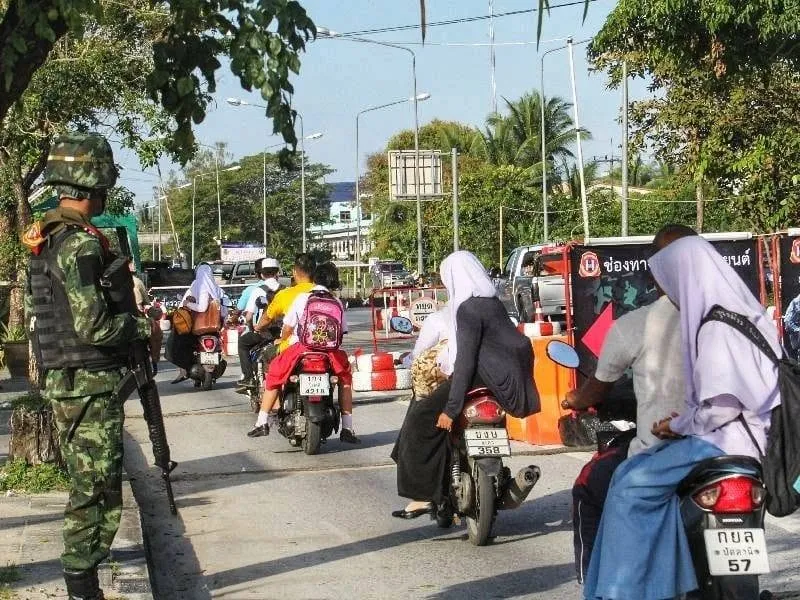
Currently, the southern border region is not only subject to the Emergency Decree. The government also continues to enforce the 2008 Internal Security Act in 19 districts and the Martial Law Act in 33 districts covering the three southern border provinces.
In a number of regions, more than one security regulation is in effect simultaneously.
The government has long maintained that special legal frameworks are necessary to support the management of security situations and enhance the effectiveness of law enforcement operations.
However, more than 20 years after their implementation, the effectiveness of these policies remains a subject of debate. Various groups question the extent to which the prolonged application of extraordinary laws can resolve the root causes of conflict.
In addition, criticism has arisen regarding the impact on the civil rights and freedoms of people living under a special security regime.
Currently, in Southern Thailand, special laws or emergency decrees (IO/State of Emergency) are being enforced simultaneously, namely the Military Emergency Act, the Internal Security Act of 2008, and the Emergency Decree.
On the other hand, many believe that sustainable peace cannot be achieved through a security-only approach. Conflict resolution, they argue, also requires an inclusive political process, community participation, and efforts to rebuild trust between the state and citizens in conflict-affected areas.
Amid ongoing incidents of violence and the continuing process of peaceful dialogue, the existence of special legislation remains one of the most crucial issues in determining the direction of conflict resolution in southern Thailand.
Ultimately, the strength of the state is not measured solely by the scope of its legal authority or its ability to deploy security forces. What is more decisive is the legitimacy of exercising that authority, the level of public trust, and the emergence of a consensus built on the consent and participation of citizens. These factors are considered the primary foundation for the creation of sustainable peace.
BRN Agrees to Pursue Dialogue for a Mutual Agreement
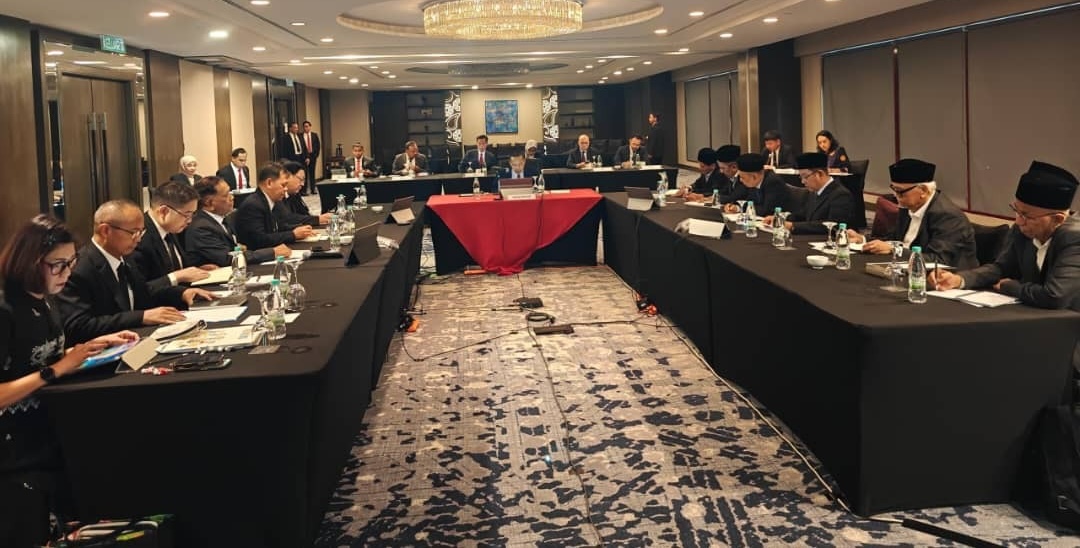
Interestingly, on July 5, 2026, the National Revolutionary Front (BRN) issued a political statement proposing a civilized path to conflict resolution: the approach of dialogue. Peace negotiations can serve as a means for both parties to build mutual trust and seek a mutual agreement for the future development of Patani.
In its official press release, the BRN also stated that it deeply respects and adheres to International Humanitarian Law (IHL).
In addition, the BRN urged the public to prioritize their safety by avoiding locations that could potentially become areas of armed operations. They also asked residents not to join the Thai government’s security forces or take on roles that could be interpreted as support for government security operations, in order to reduce risks to their personal safety.
In the same statement, the BRN assessed that the escalating tensions and acts of violence in the Patani conflict zone are linked to the lack of progress in the peace negotiation process.
They stated that peace negotiations are the appropriate alternative for achieving a dignified, just, and sustainable resolution to the conflict.
The conflict resolution through political solution as an approach that can end the conflict between the people of Patani and the Kingdom of Thailand, and bring about lasting peace and security.